


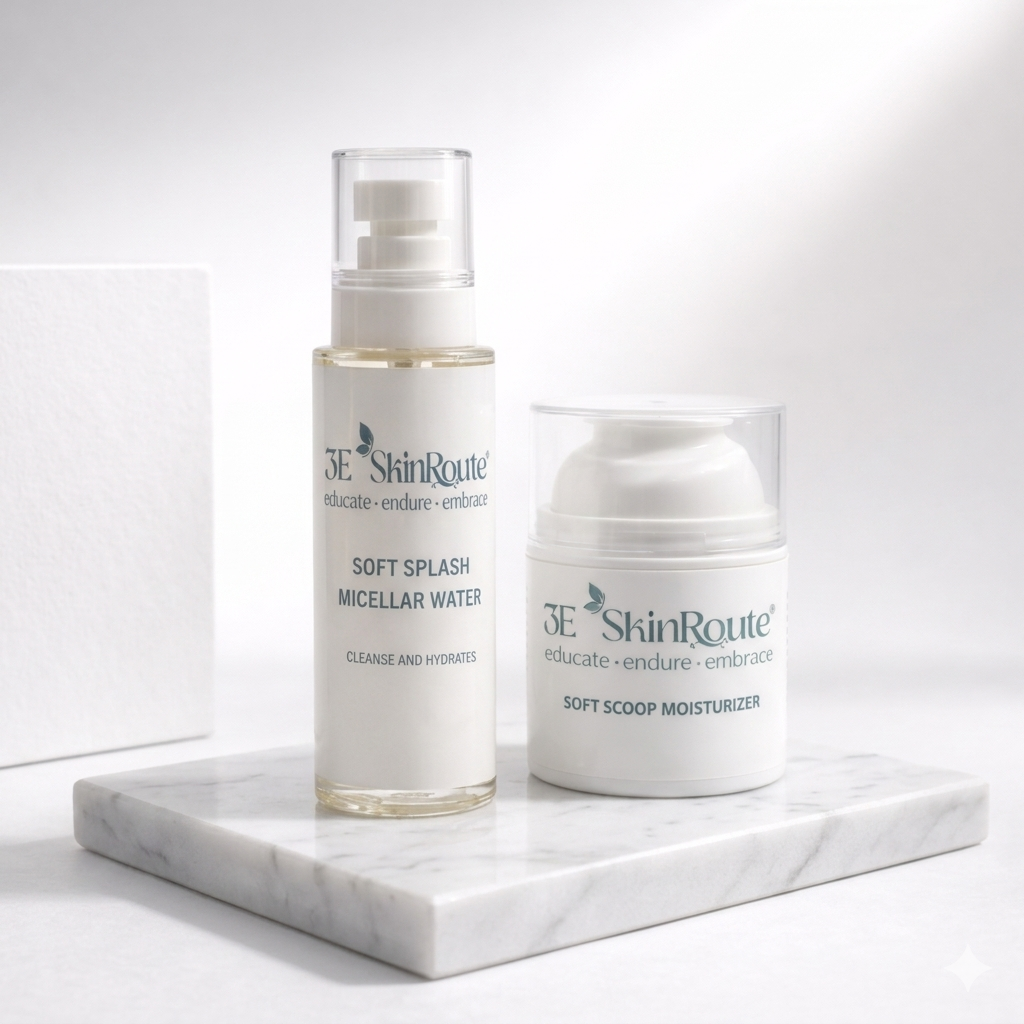

Skin aging is often misunderstood as something that begins only when wrinkles appear. In reality, the aging process is gradual, influenced by daily exposure, internal stressors, and long-term skin habits. Rather than attempting to “reverse” aging, modern skincare focuses on slowing visible signs by protecting and supporting skin function.
Healthy skin aging is not about fighting time — it is about reducing unnecessary damage and preserving resilience.
What Actually Drives Skin Aging
Skin changes are driven by both intrinsic (biological) and extrinsic (environmental) factors. While natural aging is inevitable, many visible signs are accelerated by preventable stressors.
Common contributors include:
• UV exposure
• Oxidative stress
• Barrier degradation
• Chronic dehydration
• Inflammation
• Lifestyle stressors
Understanding triggers allows smarter prevention.
Why Prevention Outperforms Correction
Aggressive corrective treatments often receive attention, yet prevention remains the most reliable long-term strategy. Skin exposed repeatedly to damage requires more repair, increasing vulnerability and instability.
Preventive care helps:
• Preserve collagen integrity
• Maintain barrier strength
• Reduce oxidative burden
• Minimize premature texture changes
Consistency builds cumulative protection.
Barrier Health: The Hidden Anti-Aging Factor
A compromised skin barrier accelerates visible aging. When barrier function weakens, skin loses hydration more easily, becomes reactive, and shows fatigue faster.
Barrier-supportive routines assist by:
• Maintaining moisture balance
• Improving resilience
• Reducing sensitivity cycles
• Enhancing ingredient tolerance
Stable skin ages more gracefully.
The Role of Antioxidants in Slowing Aging
Daily environmental exposure generates free radicals that degrade structural proteins and trigger dullness. Antioxidants act as protective buffers against this oxidative stress.
Well-formulated antioxidant support may help:
• Defend against environmental damage
• Support skin vitality
• Reduce visible fatigue
• Improve overall skin stability
Defense is foundational.
Hydration and Aging: A Critical Connection
Chronic dehydration exaggerates fine lines, dullness, and uneven texture. Hydrated skin maintains elasticity, smoothness, and functional efficiency.
Hydration-focused skincare supports:
• Plumper skin appearance
• Barrier function
• Improved comfort
• Enhanced recovery capacity
Moisture preservation is protective.
Why Gentle Skincare Slows Aging Better
Excessively harsh routines can create micro-inflammation and barrier disruption, paradoxically accelerating aging signals. Skin thrives under predictable, low-stress conditions.
Gentle formulations help:
• Reduce irritation-driven damage
• Support long-term tolerance
• Maintain barrier stability
Aggression is not a requirement for results.
Lifestyle Factors That Influence Skin Aging
Skincare alone cannot fully control aging progression. Internal stressors significantly affect skin repair and resilience.
Key influences include:
• Sleep quality
• Nutritional balance
• Stress management
• Sun exposure habits
• Environmental protection
Skin health reflects systemic health.
Realistic Expectations: Slowing vs Reversing Aging
No product can halt biological aging. However, intelligent routines can significantly slow premature signs, improve skin quality, and maintain healthier appearance over time.
Sustainable strategies emphasize:
• Protection
• Barrier preservation
• Consistency
• Compatibility
Healthy skin aging is a long-term process.
Final Thought: Aging Gracefully Is a Skin Strategy
Skin aging is not solely a cosmetic concern but a reflection of cumulative exposure and care patterns. Supporting barrier function, minimizing stressors, and using compatible formulations allow skin to remain resilient, stable, and visibly healthier for longer.
Longevity favors balance, not intensity.