


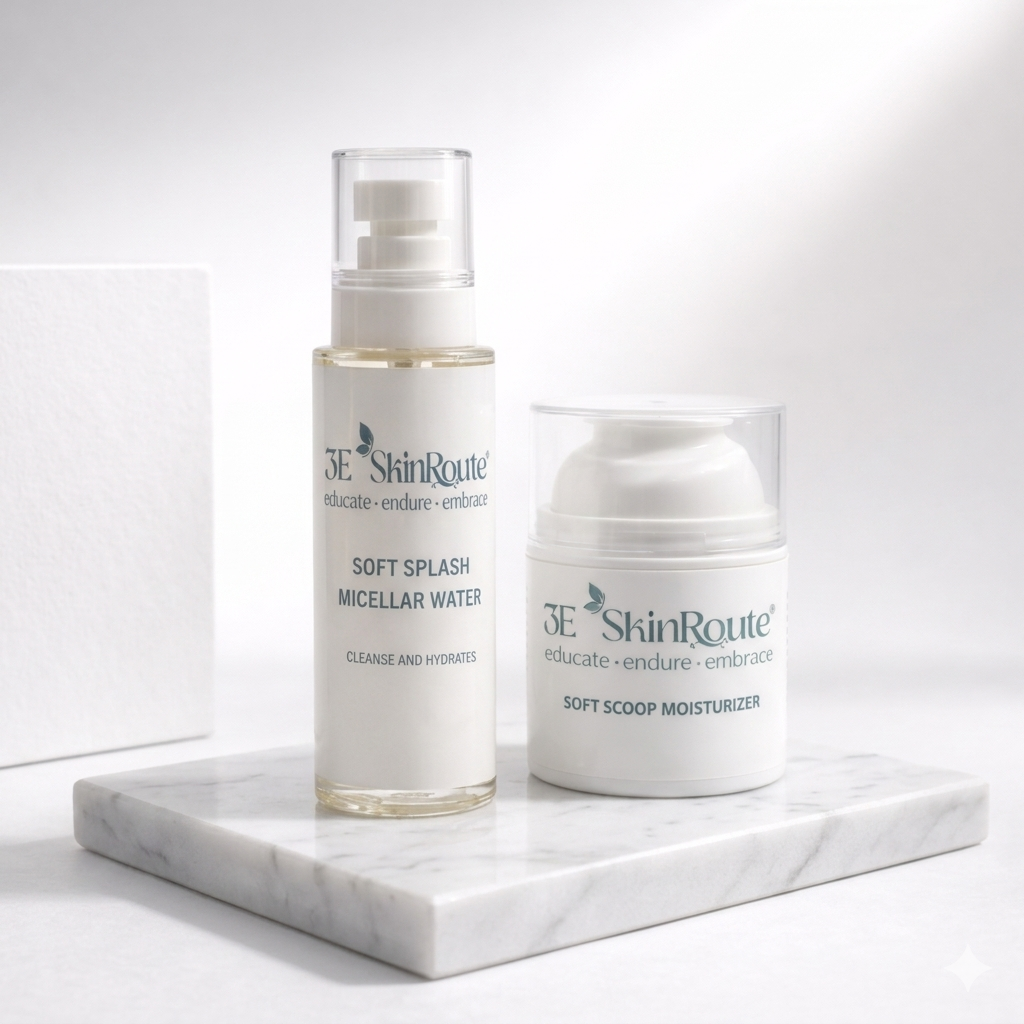
 Modern skincare consumers often face a confusing dilemma — should products feel strong to be effective? Many people associate tingling, peeling, or dryness with performance. But healthy skin science tells a very different story. Skincare does not need to be aggressive to deliver visible results. In fact, mild, skin-compatible ingredients often outperform harsh formulations in the long run.
Mild skincare is not about weakness. It is about precision, compatibility, and barrier respect.
Why “Strong Feeling” Skincare Is Often Misleading
A common misconception in skincare is the belief that irritation equals effectiveness. When a product stings or causes redness, it may feel like it is “working.” However, this sensation frequently indicates barrier disturbance rather than improvement.
Compromising the skin barrier can trigger:
• Increased sensitivity
• Persistent dryness
• Inflammation-driven breakouts
• Uneven texture and dullness
Short-term intensity often leads to long-term instability.
What Mild Ingredients Actually Mean
Mild ingredients are not inactive or ineffective. They are carefully selected compounds designed to support skin function without triggering unnecessary stress responses.
These ingredients typically:
• Work with natural skin biology
• Maintain barrier integrity
• Reduce irritation risk
• Deliver gradual, stable improvements
Consistency — not aggression — drives sustainable skin health.
How Gentle Formulations Produce Better Results
Skin responds best to predictable, low-stress environments. When irritation is minimized, repair mechanisms function more efficiently, allowing active ingredients to perform optimally.
Barrier-friendly skincare helps:
• Improve tolerance to actives
• Support hydration balance
• Reduce reactive flare-ups
• Enhance overall skin resilience
Healthy skin is receptive skin.
Examples of High-Performance Mild Ingredients
Many widely respected skincare ingredients are considered mild yet highly effective:
Niacinamide – Supports barrier function, oil balance, and uneven tone
Panthenol (Pro-Vitamin B5) – Calms, hydrates, and strengthens skin
Allantoin – Soothes and reduces irritation signals
Gentle plant extracts – Provide antioxidants and calming compounds
Low-irritation humectants – Maintain hydration without heaviness
Performance does not require harshness.
Why Harsh Skincare Often Backfires
Overly aggressive products can create a cycle of damage and correction. Users attempt to treat dryness, sensitivity, or breakouts caused by irritation, unknowingly worsening the problem.
This pattern is extremely common in:
• Sensitive skin
• Acne-prone skin
• Barrier-compromised skin
• Post-treatment skin
More strength does not equal more progress.
The Long-Term Advantage of Mild Skincare
Gentle, well-balanced formulations prioritize skin stability, which is the true foundation of visible improvement. When skin remains calm and functional, changes become more predictable and sustainable.
Over time, mild skincare can lead to:
• Better texture
• Improved hydration
• Balanced oil production
• Reduced sensitivity episodes
• Stronger barrier resilience
Results compound with consistency.
Choosing the Right Mild Skincare Products
Look beyond marketing claims like “intensive,” “strong,” or “fast-acting.” Instead, evaluate formulations based on compatibility and balance.
Prioritize products that:
• Respect skin barrier function
• Avoid unnecessary irritants
• Use well-studied gentle actives
• Focus on long-term skin health
Effective skincare should not feel like a struggle.
Final Thought: Skincare Should Support, Not Stress
Healthy skin thrives under supportive conditions. Mild ingredients work by strengthening and stabilizing skin rather than forcing rapid, reactive changes.
Gentle does not mean ineffective.
Mild does not mean slow.
Barrier-friendly does not mean basic.
It means intelligent formulation.