


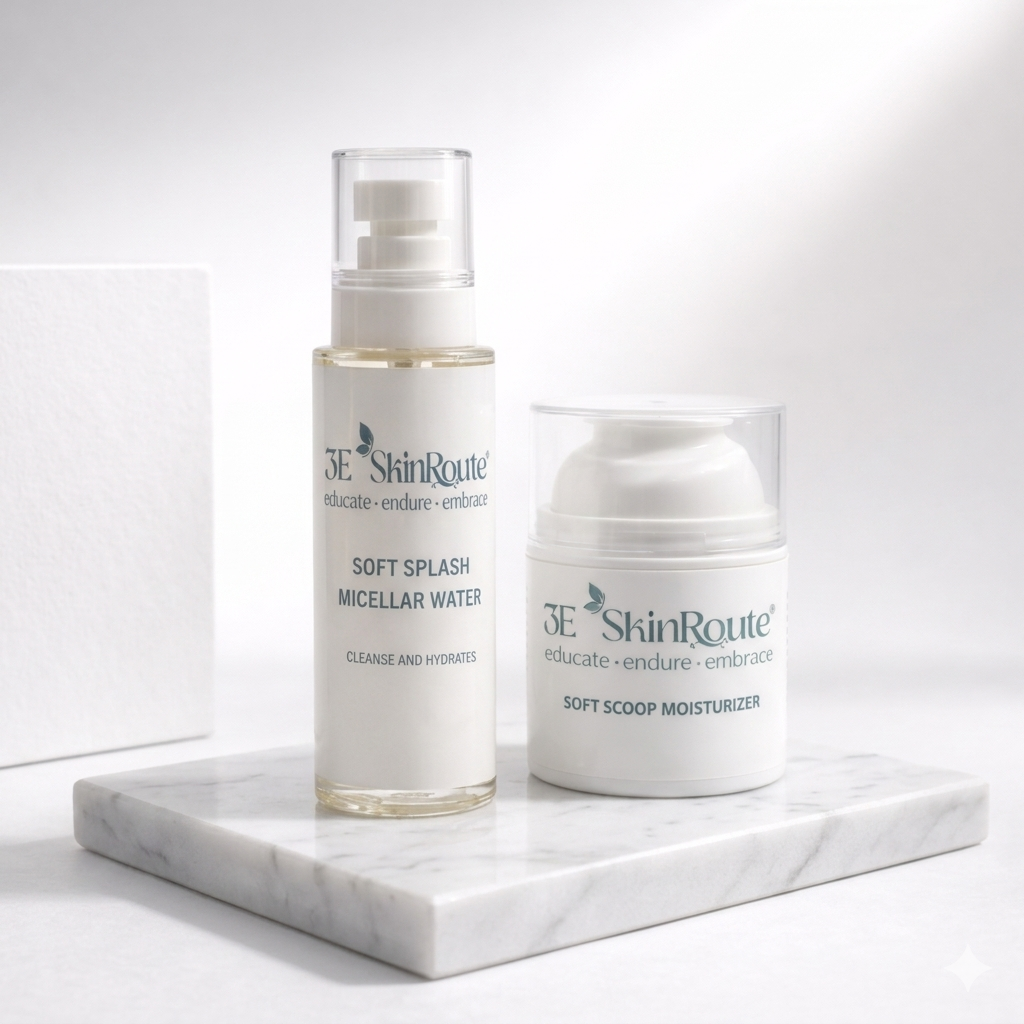

Skin is constantly exposed to microorganisms — many are harmless, but some can contribute to breakouts, irritation, imbalance, and persistent skin concerns. While cleansing and hydration are essential, maintaining a healthy microbial balance is equally important. This is where antibacterial and antifungal properties in skincare play a valuable role.
These functions are not about sterilizing the skin. They are about supporting balance and reducing triggers that disrupt skin stability.
Understanding Skin Microbial Imbalance
Healthy skin hosts a natural ecosystem of bacteria and fungi. Problems arise when certain microorganisms proliferate excessively or when the skin barrier weakens, allowing imbalance to occur.
Microbial imbalance may contribute to:
• Acne flare-ups
• Congested or inflamed skin
• Persistent irritation
• Fungal-related breakouts
• Scalp discomfort and dandruff
Supporting skin defenses helps minimize these triggers.
Why Antibacterial Support Is Important
Certain bacteria are closely linked with inflammatory breakouts and skin disturbances. Skincare ingredients with antibacterial-supportive functions help regulate these influences without aggressively damaging the barrier.
Balanced antibacterial care helps:
• Reduce breakout-triggering factors
• Support clearer skin appearance
• Minimize inflammation signals
• Maintain skin comfort
Effective skincare works with the skin, not against it.
The Role of Antifungal Properties in Skin Stability
Fungal involvement is often overlooked in skincare discussions. Some forms of congestion, tiny bumps, or persistent uneven texture may be associated with fungal imbalance rather than traditional acne alone.
Barrier-friendly antifungal-supportive formulations help:
• Reduce fungal overgrowth triggers
• Improve skin comfort
• Support balanced skin behavior
• Minimize recurring flare-ups
Correct identification of triggers is critical for results.
How Barrier Health Connects to Microbial Control
A compromised skin barrier increases susceptibility to both bacterial and fungal disturbances. When barrier integrity declines, skin becomes reactive, unpredictable, and more prone to imbalance.
Barrier-supportive skincare assists by:
• Strengthening natural defenses
• Improving tolerance to actives
• Reducing sensitivity episodes
• Supporting overall resilience
Healthy barriers regulate better.
Plant-Derived Ingredients with Protective Properties
Nature provides several ingredients known for supporting antibacterial and antifungal functions while remaining gentle and skin-compatible.
Examples include:
- Botanical extracts – Often contain protective polyphenols and calming compounds
- Certain mild acids – Help regulate surface conditions
- Zinc-based compounds – Support balanced skin environments
- Herbal derivatives – Traditionally valued for microbial balance
Performance and gentleness can coexist.
Why Overly Harsh Antimicrobial Products Can Backfire
Aggressive treatments designed to “eliminate bacteria” can unintentionally disrupt skin balance, leading to dryness, irritation, and rebound sensitivity.
Over correction may trigger:
• Barrier disruption
• Increased oil imbalance
• Heightened sensitivity
• Reactive breakouts
Balance is more beneficial than elimination.
Who Benefits Most from These Formulations
Antibacterial and Antifungal-supportive skincare can be particularly valuable for:
• Acne-prone skin
• Congestion-prone skin
• Sensitive or reactive skin
• Humid-climate skin concerns
• Scalp imbalance conditions
Precision matters more than intensity.
Final Thought: Skin Health Requires Microbial Balance
Healthy skin is not bacteria-free — it is balanced. Skincare designed with antibacterial and antifungal-supportive logic helps minimize common triggers without compromising barrier function.
Gentle regulation outperforms aggressive disruption.