


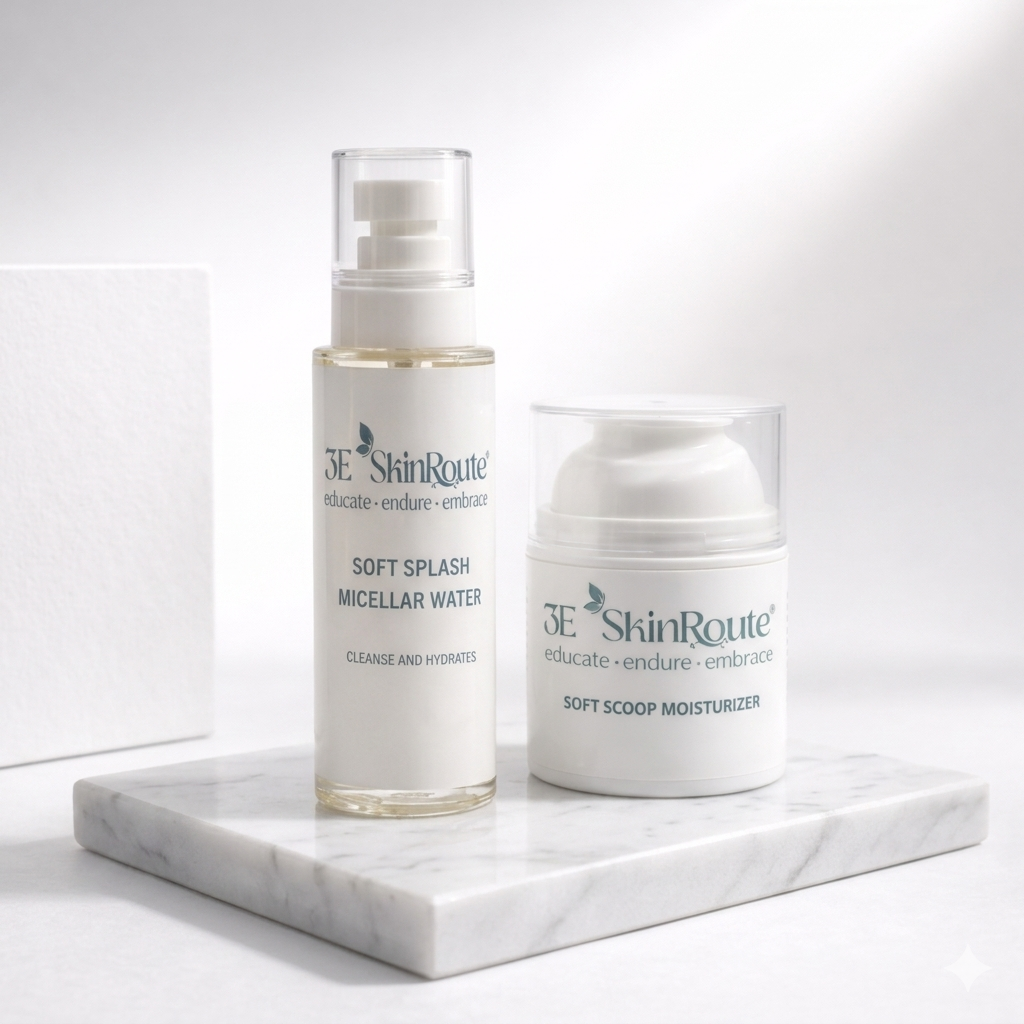

Skincare has evolved far beyond trends and attractive packaging. Today, consumers are becoming more ingredient-aware, questioning not just what products promise, but how they deliver results. This shift has brought clean ingredients into sharp focus — not as a marketing buzzword, but as a critical factor in skin health and long-term compatibility.Clean skincare is not about choosing what is popular. It is about choosing what is safe, supportive, and biologically respectful.
What “Clean Ingredients” Actually Mean
Clean ingredients refer to compounds that are selected for their safety profile, skin compatibility, and functional purpose. They are not included to create artificial sensations or temporary cosmetic effects but to genuinely support skin physiology.
Well-formulated clean skincare typically avoids:
• Unnecessary harsh irritants
• Barrier-disrupting additives
• Sensitizing filler ingredients
• Aggressive formulation shortcuts
Instead, the focus remains on performance with minimal skin stress.
Why Ingredient Quality Matters More Than Marketing Claims
Many skincare frustrations — persistent sensitivity, unexplained breakouts, dehydration, or redness — can often be traced back to formulation choices rather than skin type alone.
Even highly advertised products may contain ingredients that:
• Overstimulate the skin
• Compromise barrier integrity
• Trigger inflammatory responses
• Create cycles of irritation and correction
Clean formulations prioritize harmony over intensity.
How Clean Ingredients Support Skin Health
Skin functions best when its protective barrier remains stable. Clean ingredients work by reinforcing natural defense mechanisms instead of overwhelming them.
Benefits often include:
• Improved tolerance and comfort
• Reduced irritation risk
• Better hydration retention
• Balanced oil regulation
• Enhanced resilience over time
Healthy skin is not forced — it is supported.
Clean Skincare and Sensitive or Acne-Prone Skin
Reactive and acne-prone skin types are particularly vulnerable to harsh or poorly balanced formulations. Clean ingredients reduce the likelihood of triggering unnecessary stress responses that can worsen underlying concerns.
Barrier-friendly formulations help minimize:
• Sudden flare-ups
• Persistent redness
• Over-drying effects
• Inflammation-driven breakouts
Gentleness often improves consistency, which directly impacts results.
Performance Without Harshness: A Common Misconception
One of the biggest myths in skincare is the belief that stronger products work better. In reality, irritation frequently undermines progress by weakening the very systems responsible for repair and balance.
Clean ingredients demonstrate that skincare can be:
• Effective without aggression
• Active without irritation
• Supportive without heaviness
Sustainable results favor stability.
Examples of Skin-Compatible Clean Ingredients
Clean formulations frequently rely on ingredients known for both safety and performance:
Niacinamide – Supports barrier function and tone balance
Panthenol – Helps soothe and maintain hydration
Allantoin – Calming and skin-conditioning properties
Plant-derived antioxidants – Help defend against stressors
Gentle humectants – Support moisture balance
Functionality does not require harshness.
Why Long-Term Skin Health Depends on Formulation Philosophy
Skincare is rarely about quick fixes. Skin is a living, adaptive organ that responds to repeated exposure. Products that continuously stress or irritate the skin can gradually weaken its tolerance and resilience.
Clean ingredients emphasize:
• Compatibility over intensity
• Balance over extremes
• Prevention over correction
This approach aligns with how skin naturally functions.
Choosing Clean Skincare Products Wisely
Not every product labeled “clean” is automatically beneficial. True clean skincare prioritizes evidence-based ingredient selection and formulation logic.
Look for products that:
• Respect skin barrier integrity
• Avoid unnecessary irritants
• Use purposeful ingredient combinations
• Focus on skin stability
Transparency and formulation discipline matter.
Final Thought: Clean Skincare Is a Skin Investment
Choosing clean ingredients is not merely a preference — it is a strategy for protecting skin health, minimizing complications, and supporting consistent improvements. Gentle, compatible formulations reduce the risk of setbacks while improving the skin’s ability to respond positively.
Healthy skin thrives on intelligent inputs.